Short answer: if your small business posts get no engagement, it’s usually not because the posts are bad. Organic reach is genuinely tiny (industry benchmarks put average organic reach at roughly 1 to 3% of your followers per post), and one-off posts into that void don’t build any momentum. The fix has three parts. Post consistently so awareness builds up, write to one specific customer rather than everyone, and use posts that give people a reason to share. Reach grows slowly and steadily. It doesn’t jump from a single lucky post.
Almost every owner has the same disheartening story. “I posted for a while, got about two likes, felt daft, and stopped.” It’s the single most common reason small businesses quit social media. And here’s the part nobody tells you: it isn’t your fault, and it isn’t because your posts were bad. The deck is stacked, and once you see how, you can play it properly instead of blaming yourself.
This is the honest guide. Why engagement is so low, what actually moves it, and a realistic plan that doesn’t depend on going viral.
The uncomfortable truth about organic reach
Let’s start with the thing no one tells small business owners. The platforms barely show your posts to your own followers.
Across the major networks, average organic (unpaid) reach has dropped to roughly 1 to 3% of your followers per post, according to widely cited industry reach benchmarks. In plain terms, if 800 people follow you, a typical post might be seen by around 10 to 25 of them. Not liked by. Seen by. So “I posted and only got two likes” isn’t a sign your content failed. It’s arithmetic. Two likes out of the fifteen people who saw it is, if anything, a perfectly normal response.
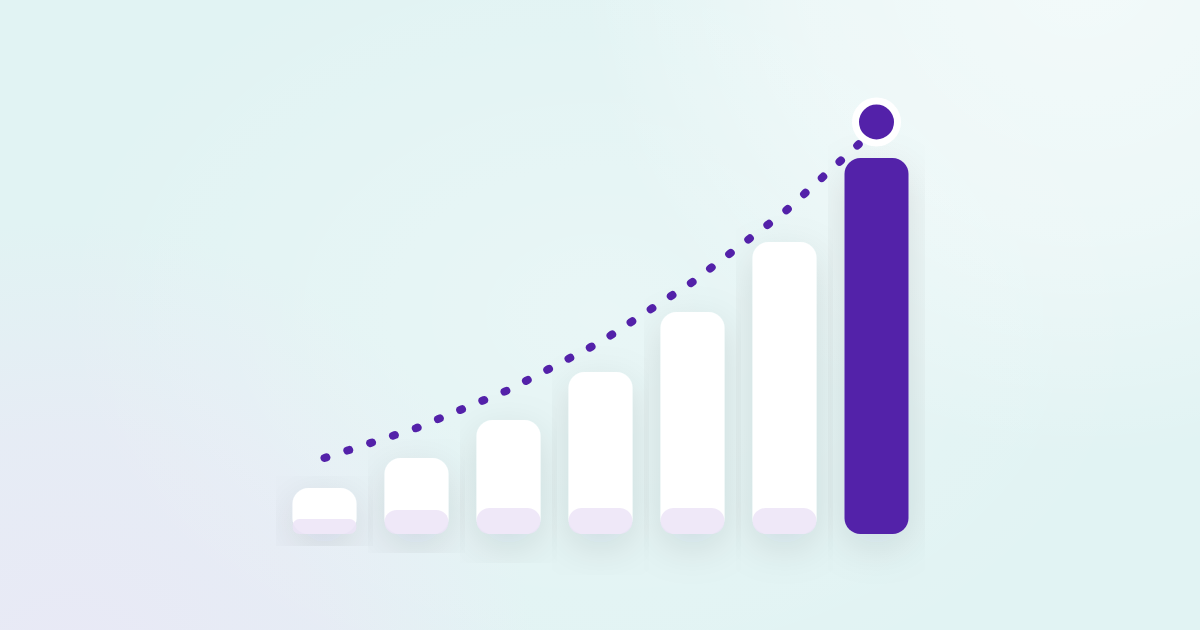
That completely reframes the problem. You were never one clever post away from a flood of engagement. Nobody is. The businesses whose feeds look busy aren’t getting 40% reach. They’re getting the same tiny percentage, just steadily, over lots of posts, to an audience they’ve slowly built. Awareness builds up over time. It doesn’t spike.
Once you accept that, the strategy gets obvious. Stop chasing the viral post, and start building the slow, compounding kind of presence that actually works.
What actually moves engagement (and what doesn’t)
Here’s what makes a real difference, in order.
Consistency over time comes first. Reach builds when you show up regularly. Ten posts a month, every month, will always beat a brilliant one-off followed by silence. This is the biggest lever, and it’s entirely in your control.
Next, speaking to a specific person. Posts written for “everyone” connect with no one. A post aimed squarely at your actual customer, at their situation and their reason to buy, lands far harder than a generic one.
Then, giving people a reason to share. The real prize isn’t a like. It’s a customer showing their friends. Word of mouth travels where your feed can’t, and people overwhelmingly trust a recommendation from another person over anything a brand says. Studies routinely find around 8 in 10 consumers trust content from other customers more than content from businesses.
And a clear, specific hook. “We’re a friendly local café” says nothing. “Two-for-one pastries this rainy Wednesday” gives someone a reason to act and to tag a mate.
What doesn’t move it: posting more sporadically, buying followers, agonising over the “perfect” time to post, or waiting for one post to go viral. Those are the things owners reach for when the real answer, patient consistency aimed at the right person, feels too slow.
A realistic engagement plan (no viral required)
Here’s a plan that works with how the platforms actually behave, not how you wish they did.
1. Get consistent first. Before anything clever, get to a steady rhythm, two or three posts a week, every week. Everything else sits on top of this. The easiest way to keep it up is to plan and schedule a batch ahead of time so a busy week can’t break the run. (Our guide to posting consistently walks through the batching side of it.)
2. Pick one customer and write to them. Decide who a post is for before you make it, whether that’s the time-poor parent, the lapsed member, or the weekend browser, and write to that person. Speaking to a defined audience, rather than “anyone”, is what makes a post feel relevant enough to react to. A tool that lets you save your real customer types and write for a specific one each time turns this from guesswork into a routine.
3. Build in reasons to share. Every so often, run a post or a small promotion made to be talked about rather than scrolled past. A limited offer, a “tag a friend who needs this”, a genuinely useful tip. One share to someone’s friends reaches people your own feed never could.
4. Set honest expectations. Give it months, not days. You’re not looking for a spike. You’re looking for the slow line upward: more people who recognise your name, more “I saw you on Instagram” at the counter, more regulars. That’s what building awareness actually feels like, and it’s the real return.
When you’re ready to reach further than organic
Here’s the honest ceiling. Even done perfectly, organic reach is capped by those platform percentages. Consistency and word of mouth will grow your presence, but there’s a point where reaching a lot more people means putting a little money behind your best posts, boosting them so they travel beyond your existing followers.
That’s a later step, not a first one. Get consistency and audience focus working first. They cost nothing and they’re the foundation. When you’ve got posts that clearly land, then it can be worth amplifying them. Build the habit and the quality first, and by the time you do spend, you’re amplifying something that already works rather than paying to promote a guess.
Your “no engagement” fix, in one checklist
-I understand organic reach is around 1 to 3%, so low engagement is normal, not failure. -I’ve committed to a consistent rhythm and I’m scheduling ahead so I keep it. - Every post is written for one specific customer, not “everyone”. -I regularly include a reason to share, like an offer, a prompt, or a genuinely useful tip. -I’m judging progress over months, by name recognition and footfall, not by likes on a single post. -I’ve got consistency working before I think about paying to boost anything.
Frequently asked questions
Why does my small business get no likes on social media? Most likely because organic reach is very low, typically only 1 to 3% of your followers see any given post, so a handful of reactions is normal rather than a sign of bad content. Consistency over time and posts aimed at a specific customer are what gradually improve it.
How long does it take to grow engagement on social media? Months, realistically. Awareness builds slowly as more people see you repeatedly and start recognising your name. Anyone promising a fast spike is selling luck. Steady, consistent posting to the right audience is the dependable path.
Is it worth paying to boost posts? It can be, but only once you’ve got consistent, well-aimed organic posting working. Boosting amplifies whatever you already have. Amplify a proven post and it’s money well spent. Amplify a guess and it’s wasted. Foundation first.
Do hashtags help with engagement? A little, when they’re specific and relevant, since a few local and topic tags help the right people find you. But hashtags are a minor lever next to consistency, audience focus and giving people a reason to share.
SocialPostxr helps small businesses post consistently and speak to their real customers. Save your audiences, plan a batch, and keep your feed active without hiring a team. The free Starter plan includes unlimited scheduling and 5 starter posts, no card required. Start free.