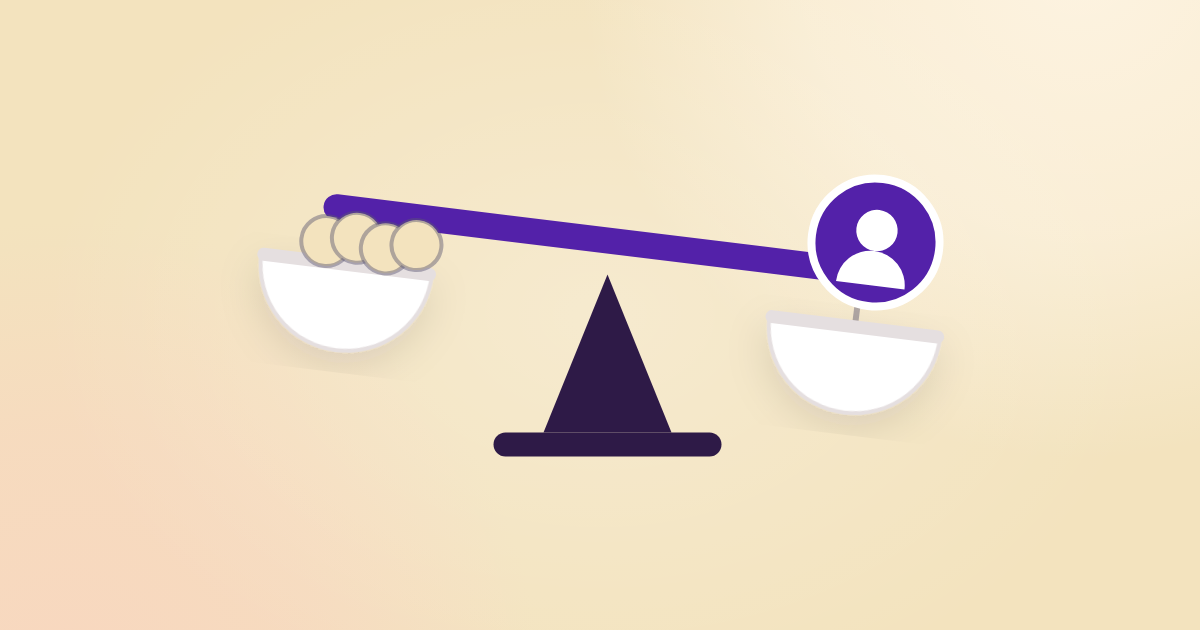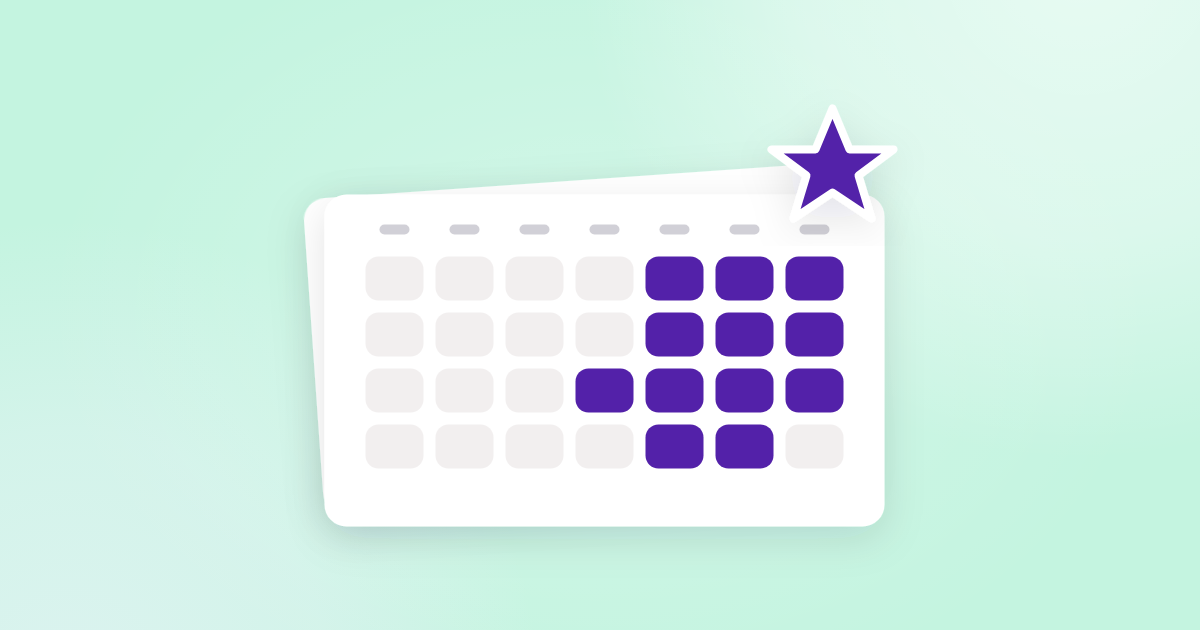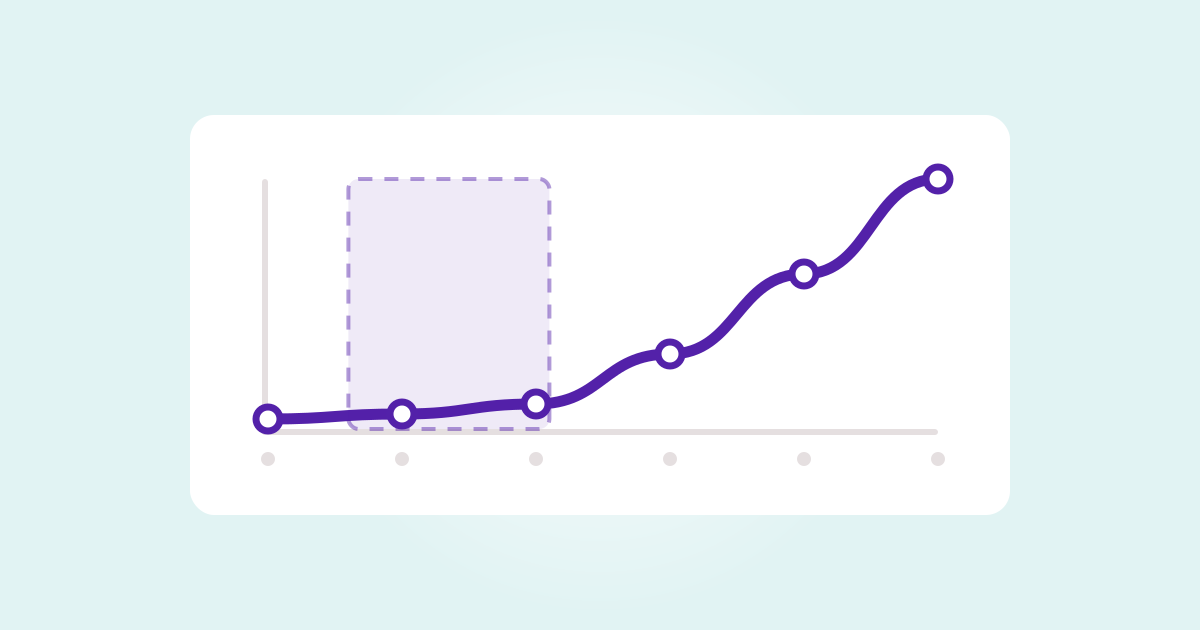
Short answer: three to six months of consistent posting before you see anything worth calling a result, and six to twelve before it produces enquiries reliably. Most people stop at around six weeks, which is exactly the point where nothing has happened yet and everything looks like a waste of time. Knowing the timeline in advance is the single most useful thing you can do, because the main reason small business social media fails is that it gets abandoned a few weeks before it would have started working.
Nobody tells you this number up front, which is why so many owners conclude that social media does not work for businesses like theirs. It usually did work. They just stopped before it showed.
What is the realistic timeline?
Industry guidance is remarkably consistent on this: expect roughly three to six months for visibility and six to twelve months for steady enquiries, assuming you post consistently throughout. Paid advertising is the exception and behaves completely differently, producing signal within days rather than months, which is a large part of why the two get confused.
Here is what each phase actually feels like, which matters more than the numbers.
Weeks 1 to 4. Nothing. A handful of views, mostly people who already know you. No enquiries. This phase feels like shouting into an empty room because that is broadly what it is. Nothing is wrong.
Weeks 5 to 10. The quitting window. Still very little, but now you have put in real effort, so the absence of results feels like evidence rather than earliness. This is where the overwhelming majority of small business accounts go quiet. If you get through this phase you are already ahead of most of your competitors, not because you are better at it, but because they stopped.
Months 3 to 6. First signs. Someone mentions they saw a post. A message that starts “I’ve been following you for a bit”. Views climb slowly. Still not a pipeline, but the direction becomes visible.
Months 6 to 12. It compounds. Enquiries that name a post. People who arrive already knowing what you do and what you charge, so the conversation is shorter. This is the point where the earlier months stop looking wasted.
The uncomfortable part is that phases one and two contain almost all of the effort and almost none of the reward. That is the deal, and it is worth deciding whether you accept it before you start rather than discovering it in week seven.
Why does it take so long?
Three reasons, and none of them are about you doing it wrong.
The platform has to learn what you are. A new account is an unknown quantity, and algorithms distribute cautiously until they have enough posts to understand your category and who responds to it. That is a volume-over-time problem, and there is no way to shortcut it.
People need repeated exposure. Almost nobody sees a business for the first time and gets in touch. They see you, forget you, see you again, register that you exist, and eventually need what you do. The gap between first sight and first enquiry is frequently months, and it is entirely invisible to you while it is happening.
Your timing has to meet their need. This is the one people underestimate. Somebody only contacts a plumber when something leaks. Your post was not bad in March, it was just March. Consistency is how you make sure you are visible in the week the thing finally leaks.
That third reason is the real argument for a steady rhythm over a burst of effort. You are not trying to persuade anybody. You are trying to be the business they think of when the need arrives, and you cannot know when that will be, so you have to be there most weeks. The practical version of that is here: how often should a small business post.
How do you tell progress from nothing?
You stop looking at the numbers that move slowest and start looking at the ones that move first.
In the early months, followers and likes are close to useless as a signal. They are the last things to change and they tell you nothing about whether the work is landing. What moves earlier:
- Saves and shares, which mean somebody thought it was worth keeping or passing on. Far more meaningful than a like.
- Profile visits. Somebody read a post and wanted to know who you were.
- Messages and comments that ask something real, even one. A single question from a stranger is worth more than fifty passive likes.
- People mentioning it offline. Enormously under-counted, because it never shows in any dashboard. If a customer says they saw something, write it down.
- Whether you are still posting. Genuinely the most predictive metric in month two. An account that survives to month six will have results. An account that does not, will not.
The honest test at eight weeks is not “is it working”. It is “am I still going, and are the posts better than the first ones”. If both are yes, keep going. Once there is enough trading history to judge properly, there are three numbers worth checking monthly, and one of them settles this question for good. If your posts are getting nothing at all after several months of genuine consistency, that is a different problem with a different fix: why your posts get no engagement.
What makes it take longer than it should?
Four things, all avoidable.
Stopping and restarting. By far the most damaging. Every gap resets some of the learning, both the platform’s and your audience’s. Two posts a week for six months beats an enthusiastic daily fortnight followed by silence, and it is not close.
Spreading across too many platforms. Three accounts at a third of the effort each means three accounts that all take three times as long. One channel reaching the timeline is worth more than three stuck in week five: where customers actually look for a local business.
Posting things nobody could respond to. Safe, general, about nothing in particular. No reaction tells the platform not to show the next one, so vague posting genuinely does slow the clock. Being specific about who you are talking to is the fix, and it starts upstream: how to define your target market.
Changing the approach every three weeks. Trying something, seeing no result within a fortnight, and switching. Nothing gets long enough to prove itself, so you accumulate five abandoned experiments instead of one that ran its course.
Should you pay for ads while you wait?
You can, and it is worth understanding that they are answering a different question.
Paid tells you quickly whether a specific message sells to a specific audience, and it stops the moment you stop paying. Organic takes months and keeps working afterwards. They are not substitutes and the most common mistake is judging organic by the speed of paid.
If cash flow means you need enquiries this month rather than in six, paid is the honest answer for the short term. Just do not let it replace the slower thing, because in a year the business that also did the slow thing has an audience and the one that only bought ads has a bill.
Frequently asked questions
How long before social media brings in customers? Typically three to six months of consistent posting before you see meaningful visibility, and six to twelve before enquiries become reliable. Paid advertising is different and produces signal within days, which is why the two should not be judged against the same clock.
Why is my business social media not working? The most common answer by a distance is that it has not been running long enough or consistently enough. Before concluding the approach is wrong, check whether you have posted at least weekly, without gaps, for three months. If you have, and there is genuinely no reaction at all, then the content itself is the thing to look at.
Is it normal to get no engagement at first? Completely normal, and it is the phase where most accounts are abandoned. A new account has no audience and no algorithmic history, so early posts reach very few people. Judging the idea on the first six weeks is like judging a business on its first six weeks.
How many posts before social media starts working? There is no exact threshold, but the pattern matters more than the count. Platforms need a body of posts to categorise you, and people need repeated exposure before they act. Consistency across months is what produces both, which is why a steady two a week outperforms the same number of posts crammed into a fortnight.
Should I give up if nothing happens after three months? Not if you have genuinely been consistent, because three months is the earliest point at which anything usually shows. What is worth doing at three months is reviewing whether your posts are specific enough to react to, rather than deciding the channel does not work.
How do I stay motivated during the quiet period? Stop using results as the measure, because there are not any yet, and use the behaviour instead. Did you post what you planned to post. Scheduling ahead helps enormously here, because it removes the weekly moment where you have to feel motivated in order for anything to happen.
Does SocialPostxr help with the long haul? That is the specific problem it exists for. You approve a batch of posts in one sitting and they publish over the following weeks, so getting through months one to three does not depend on how you feel on a Tuesday. Unlimited scheduling is on every plan, including the free one. See how it works or compare the plans.
SocialPostxr turns your business into finished posts, captions and visuals included, then schedules and publishes them for you. The free Starter plan is £0 with no card required, and includes unlimited scheduling plus 5 starter posts. Start free.